Hammersmith Bridge upholstery cleaning for riverside homes
Living near the river has its perks. You get the light, the views, the bit of movement in the air that makes a flat feel alive. But riverside homes around Hammersmith Bridge also bring a few upholstery headaches that people do not always see coming: extra moisture, muddy shoes, window condensation, and the kind of everyday grime that settles into sofas and dining chairs before you really notice it. That is where Hammersmith Bridge upholstery cleaning for riverside homes becomes less of a luxury and more of a practical bit of home care.
If your furniture is starting to look tired, smells a little damp after a grey week, or has picked up marks from family life, you are in the right place. This guide explains how professional upholstery cleaning works, what makes riverside properties different, which methods suit different fabrics, and how to avoid the mistakes that can shorten the life of your furniture. There is a lot of noise online about cleaning, to be fair, and much of it is either vague or overcomplicated. Let's keep it simple and useful.
Table of Contents
- Why Hammersmith Bridge upholstery cleaning for riverside homes Matters
- How Hammersmith Bridge upholstery cleaning for riverside homes Works
- Key Benefits and Practical Advantages
- Who This Is For and When It Makes Sense
- Step-by-Step Guidance
- Expert Tips for Better Results
- Common Mistakes to Avoid
- Tools, Resources and Recommendations
- Law, Compliance, Standards, or Best Practice
- Options, Methods, or Comparison Table
- Case Study or Real-World Example
- Practical Checklist
- Conclusion
- Frequently Asked Questions
Why Hammersmith Bridge upholstery cleaning for riverside homes Matters
Riverside properties have their own rhythm. Air can feel fresher, but interiors often deal with more moisture than homes set further inland. That matters because upholstery is basically a sponge for the life happening around it. Fabric fibres trap dust, body oils, pet dander, cooking residue, and the faint but stubborn smell of the room itself. Add river-side humidity and the occasional open window on a wet day, and soft furnishings can start to feel less crisp much faster.
There is also the visual side. On a sofa, chair, or ottoman, small issues stand out quickly: water rings, dull patches, salt-like residue around window-side seating, or a slight shadow where someone always sits. In homes close to Hammersmith Bridge, those marks can appear a bit sooner than people expect. A professional upholstery clean is not just about making a sofa look nicer for guests. It is about protecting the fabric, slowing down wear, and keeping the room feeling genuinely fresh rather than just tidy on the surface.
The other reason it matters is comfort. You notice a clean sofa in the same way you notice a freshly made bed. The room just feels calmer. That is not a technical term, of course, but it is real. If you spend evenings reading by the window or have children piling onto the same armchair every night, clean upholstery makes everyday life easier. And yes, it does help when the dog has had a muddy riverside walk and decided the settee is his next stop.
For homeowners looking after a whole property, upholstery care often sits alongside other regular maintenance, such as domestic cleaning and deep cleaning. The better these services work together, the less likely you are to end up with built-up grime that takes real effort to remove later.
How Hammersmith Bridge upholstery cleaning for riverside homes Works
Professional upholstery cleaning is not one single method. The right approach depends on the fabric type, how old the furniture is, whether the covers are fixed or removable, and what kind of marks are present. That is the bit people often miss. A velvet armchair, a linen sofa, and a synthetic dining chair all want slightly different treatment. Treat them all the same, and you are asking for trouble.
The process usually begins with inspection. A good cleaner will check fibre type, stitching, labels, colour stability, and problem areas such as armrests, seat cushions, or head contact points. That inspection matters because a water-based method may be fine for one fabric and completely wrong for another. If there is any doubt, a small test area should be checked first. Boring? Maybe. Necessary? Absolutely.
Most professional cleaning falls into one of these broad approaches:
- Hot water extraction for many durable fabrics and heavier soiling
- Low-moisture or dry cleaning for delicate materials or faster drying
- Specialist spot treatment for stains, marks, and localised odours
- Fabric protection in some cases, to reduce future staining
After the right method is chosen, the cleaner pre-treats the fabric, lifts loose debris, works in the cleaning solution carefully, and then removes moisture as thoroughly as possible. Drying is a real part of the job, not an afterthought. In riverside homes, where air can already feel a little damp, proper extraction and ventilation matter more than people think.
If you want a broader upholstery service rather than a one-off sofa clean, it can help to look at a dedicated upholstery cleaning service or, if the main issue is lounge seating, a specialist sofa cleaning appointment. These services are often the most sensible route for mixed-fabric homes where one method will not suit every piece.
Key Benefits and Practical Advantages
Let's be honest: most people do not book upholstery cleaning because they are fascinated by fibre chemistry. They do it because they want the home to look and feel better. Still, there are some solid practical wins behind the obvious before-and-after difference.
- Cleaner-looking furniture that lifts the whole room
- Better hygiene by removing trapped dust and everyday residues
- Reduced odours from pets, cooking, smoke, or general living
- Longer fabric life by lowering abrasive build-up
- Improved comfort for anyone sensitive to dust and fluff
- Better presentation if you host often or rent out a property
For riverside homes in particular, there is a subtle but valuable benefit: upholstery tends to stay fresher for longer when moisture, dust, and surface grime are dealt with before they settle deep into the fibres. A chair that is cleaned at sensible intervals will usually age more gracefully than one that is left until every seat cushion has a permanent shadow.
There is also peace of mind. When a sofa looks grubby, people often stop sitting on it properly. They start throwing blankets over stains, or they avoid the good chair altogether. That sounds minor, but it changes how a room works. A proper clean gives the furniture back to the home.
For broader household presentation, many customers combine upholstery work with other services such as carpet cleaning, rug cleaning, or window cleaning. It is a very different feeling walking into a room when the soft furnishings, floors, and glass are all looking cared for. Quietly transformative, really.
Who This Is For and When It Makes Sense
This kind of cleaning makes sense for a wide range of households, but it is especially useful if you live close to the river and notice a few recurring issues. If any of the situations below sound familiar, you are probably due a proper clean rather than another quick vacuum and a hopeful spray bottle.
- Families with children who spill drinks, snacks, or whatever else ends up on the sofa
- Pet owners dealing with hair, paw marks, or lingering smells
- Homeowners with light-coloured upholstery that shows marks quickly
- People who keep windows open often and want to control moisture-related dullness
- Landlords and hosts preparing a property for new occupants or guests
- Anyone noticing a stale, musty, or "closed room" smell in soft furnishings
It also makes sense after building work, redecorating, or a busy season in the home. Dust from nearby work can move farther than you expect, and it settles into fabric as soon as the room calms down. If that sounds familiar, upholstery cleaning can sit neatly alongside after builders cleaning or a broader one-off cleaning visit.
When does it make less sense? If a piece is structurally damaged, heavily sun-faded, or made from a fibre that cannot safely be wet cleaned, cleaning may improve freshness but not appearance as much as you hope. A decent cleaner will tell you that honestly. Better a careful answer than a cheerful mistake.
Step-by-Step Guidance
If you are planning Hammersmith Bridge upholstery cleaning for riverside homes, here is the process in a straightforward way. No fluff.
- Check the furniture label
Look for care codes or any manufacturer instructions. They often give the first clue about whether the fabric should be cleaned with water, solvents, or only very lightly. - Assess the real problem
Is it general dullness, a food stain, pet odour, or damp-related freshness? The answer changes the cleaning plan. - Clear the area
Move small items, blankets, cushions, toys, and anything else sitting on the furniture. It saves time and avoids missed spots. - Test a small section
Especially on older or dyed fabric. A responsible cleaner will never rush straight in. That's how colour problems happen. - Pre-treat marks
Specific stains may need targeted treatment before the main clean starts. - Choose the cleaning method
Durable fabrics may suit extraction cleaning, while more delicate pieces may need low-moisture care. - Extract and dry properly
Moisture should be removed as much as possible, then the room should be ventilated. - Finish with aftercare advice
Good cleaning includes guidance on drying time, light use, and when to repeat the process.
A small but useful detail: if the weather is damp, do not assume a sofa will dry in exactly the time it would on a bright summer day. Riverside air can be a bit funny like that. You may need a little longer, and that is normal.
Expert Tips for Better Results
After enough homes, certain patterns become obvious. The following tips are simple, but they make a real difference.
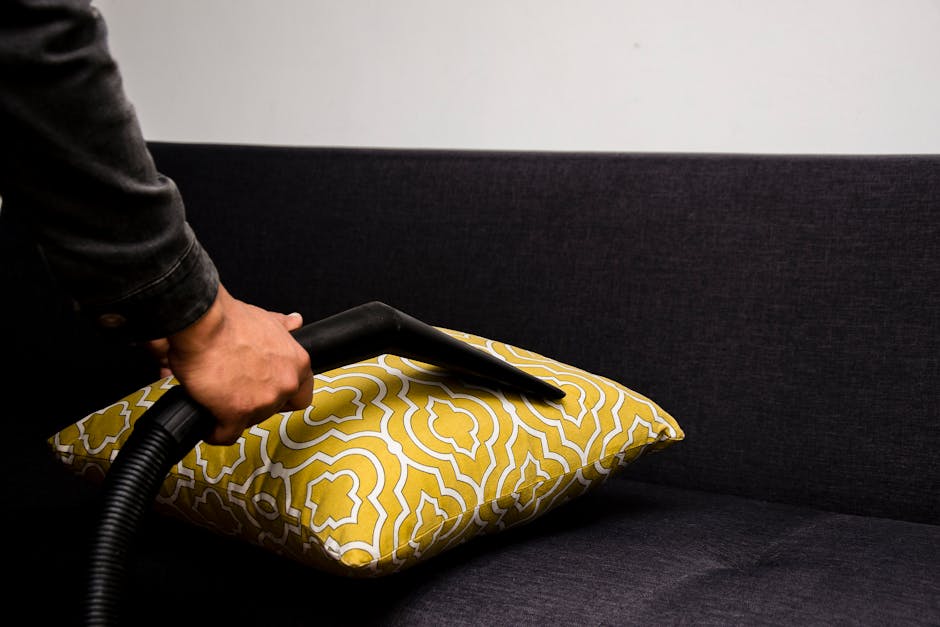
- Vacuum before any wet or low-moisture clean to remove loose grit first
- Treat stains early; fresh marks are far easier to lift than old ones
- Use curtains, throws, or cushions wisely in high-traffic spots, but do not let them hide problems forever
- Keep furniture away from constant condensation where possible, especially near window fronts
- Open windows after cleaning if weather allows, because airflow helps the fabric recover
- Rotate seat cushions so wear develops evenly
One thing many households do not realise is how much body oils build up on sofa arms and head-rest areas. You may not see it at first, but it can make fabric feel sticky or flat. A periodic clean prevents that slow, annoying decline. Truth be told, it is one of those things people notice only after it has been fixed.
For people who like to keep a maintenance rhythm, pairing upholstery care with house cleaning or home cleaners can make life simpler. The home stays on top of itself instead of entering that classic "we'll sort it next weekend" loop.
Common Mistakes to Avoid
Upholstery cleaning goes wrong in fairly predictable ways. Fortunately, they are avoidable once you know what to watch for.
- Using too much water and leaving the fabric soggy
- Scrubbing stains hard, which can spread marks or damage fibres
- Ignoring fabric type and applying the wrong method
- Trying household products without testing, which can bleach or set the stain
- Leaving furniture damp for too long, especially in poorly ventilated rooms
- Expecting one clean to fix severe wear or old staining completely
That last one is worth saying plainly. Cleaning can do a lot, but it is not magic. A piece of furniture with years of built-up soiling, sunlight damage, or worn pile may come up fresher and brighter, but not brand new. Setting realistic expectations saves disappointment later.
Another common mistake is skipping nearby surfaces. If the sofa is clean but the room is dusty, the fabric will feel tired again quite quickly. A sensible maintenance plan might include hard floor cleaning or even a broader deep cleaning package when the whole room needs attention.
Tools, Resources and Recommendations
You do not need a cupboard full of gadgets to keep upholstery in good shape. The right basics go a long way.
| Tool or Resource | Why it helps | Best use |
|---|---|---|
| Soft brush vacuum attachment | Removes dust without pulling fibres | Weekly or fortnightly upkeep |
| Microfibre cloth | Good for gentle surface wiping | Light dust and spot care |
| White absorbent towel | Useful for blotting spills | Fresh liquid accidents |
| Fabric care label | Tells you what the material can tolerate | Before any treatment |
| Professional upholstery service | Matches method to fabric and soil level | Deep or specialist cleaning |
If you are comparing service options, think about the rest of the home too. A property with heavy foot traffic may benefit from a fuller schedule that includes carpet cleaner support, a trusted cleaning company, or regular cleaners for upkeep. Different homes need different rhythms. There is no single perfect formula.
For practical reassurance, it helps to choose providers who are clear about health and safety, insurance and safety, and recycling and sustainability. That kind of transparency is usually a good sign. Not flashy, just reassuring.
Law, Compliance, Standards, or Best Practice
Upholstery cleaning is not heavily regulated in the way some industries are, but good practice still matters. In UK homes, the main considerations are safety, care of materials, and responsible handling of cleaning products. A professional cleaner should work in a way that is sensible for the fabric, safe for the home, and transparent about any limitations.
Best practice usually includes:
- Following fabric care instructions where available
- Testing chemicals on a hidden area first when appropriate
- Using suitable ventilation during and after cleaning
- Avoiding oversaturation, especially on foam-filled furniture
- Explaining drying times and post-clean care clearly
- Being honest when a stain or odour may not fully disappear
If you are inviting someone into your home, you may also want basic peace of mind around working practices, payment handling, and service terms. That is where pages such as payment and security and terms and conditions become useful reading, even if only briefly. It is not the glamorous part of booking a clean, but it helps prevent misunderstandings.
For households that want an extra layer of trust, it is sensible to check company information too. A simple look at about us and the privacy policy can tell you a lot about how a business handles customer care and data. Small thing, maybe. Still worth doing.
Options, Methods, or Comparison Table
Different fabrics and homes call for different approaches. Here is a simple comparison to help you decide what tends to suit what.
| Method | Best for | Pros | Watch out for |
|---|---|---|---|
| Hot water extraction | Durable synthetic fabrics and heavier soil | Deep clean, strong soil removal | Longer drying if ventilation is poor |
| Low-moisture cleaning | Mixed-use homes and quicker turnaround | Faster drying, less water use | May not suit very deep staining |
| Dry cleaning | Delicate fabrics and sensitive materials | Reduced moisture risk | Not ideal for every fabric type |
| Spot treatment only | Single marks or small problem areas | Targeted, efficient | Won't refresh the whole piece |
In practice, the best choice is often a hybrid approach. A cleaner might spot-treat the arms, clean the whole seat, and use a low-moisture finish on more delicate sections. Homes near the river can especially benefit from methods that limit excess damp. Not because water is the enemy, but because upholstery already has enough to deal with.
Case Study or Real-World Example
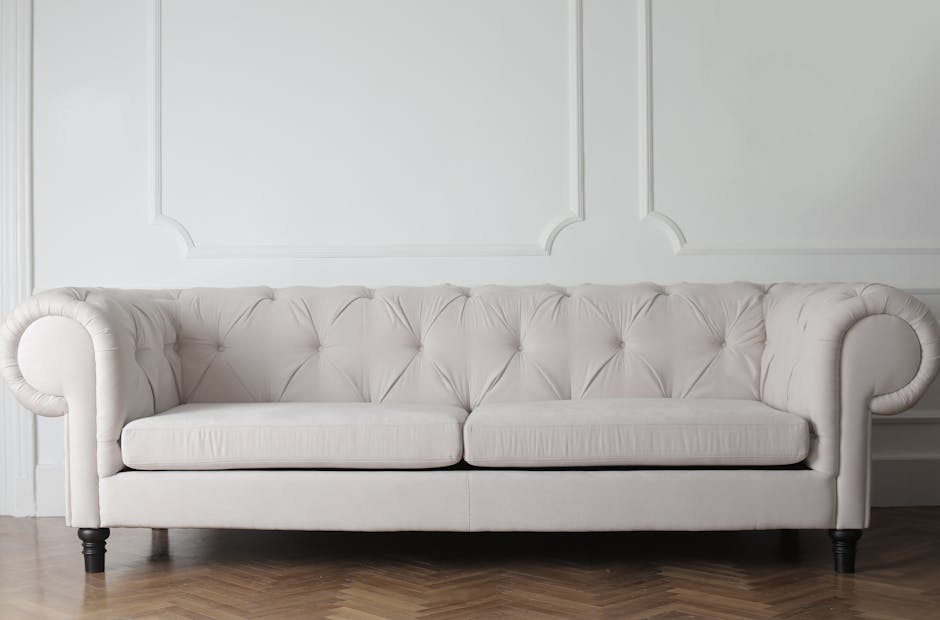
Here is a very typical example from a riverside-style home. A family living near Hammersmith Bridge had a pale three-seater sofa in the lounge, with a couple of dining chairs in the same open-plan space. Over time, the sofa arms had darkened from regular use, the seat cushions looked a bit flat, and the room carried a faint musty note after wet weather. Nothing dramatic. Just enough to make the space feel less welcoming.
The cleaner started with fabric identification and a light test patch. The sofa turned out to suit a low-moisture upholstery method rather than heavy wet extraction. The chairs, which had a more robust weave, took a slightly different treatment. The process focused on built-up body oils, general dust, and a few food marks from everyday family life. The room was left ventilated, cushions were rotated during drying, and the homeowner was advised to avoid sitting heavily on the fabric until fully dry.
The noticeable change was not only visual. The lounge smelled fresher, the arms of the sofa no longer looked dark at close range, and the room felt lighter in the evening when the lamps came on. Small shift, big difference. That is the thing with upholstery. People often think it will be a dramatic makeover, but the real benefit is that the room feels looked after again.
For homes with similar patterns of use, it can make sense to plan regular follow-up alongside one-off cleaning or broader household maintenance. The aim is not perfection. It is a livable, pleasant home that does not keep building up little problems.
Practical Checklist
Use this quick checklist before booking or starting upholstery cleaning in a riverside home:
- Identify the upholstery fabric or find the care label
- Check for fixed stains, odours, water marks, or wear patches
- Decide whether you need a sofa-only clean or whole-room support
- Confirm whether the furniture needs a low-moisture or dry method
- Make sure the room can be ventilated properly after cleaning
- Move cushions, throws, and loose items out of the way
- Ask about drying time and how soon the furniture can be used again
- Consider adding carpet, rug, or window care if the room needs a fuller refresh
- Review trust and service information before booking
- Plan for regular upkeep rather than waiting until the furniture looks very tired
If the home is being prepared for visitors, a move, or a new tenancy, you may also want to coordinate upholstery work with end of tenancy cleaning or a general house cleaning visit. It saves time and keeps the result coherent.
Conclusion
Hammersmith Bridge upholstery cleaning for riverside homes is really about protecting the comfort of a space that lives a little harder than it looks. River air, damp weather, open windows, family life, pets, visitors, late nights, coffee spills. It all ends up in the fabric sooner or later. A thoughtful clean restores freshness, helps the furniture last longer, and makes the whole room feel more settled.
The key is choosing the right method for the fabric, being realistic about what cleaning can and cannot do, and keeping up with maintenance before marks become permanent. That approach works especially well in riverside homes, where a bit of routine care goes a long way. And once the sofa feels right again, the rest of the room usually follows. Funny how that happens.
Get a free quote today and see how much you can save.
If you are ready to take the next step, start with a service that matches the material, the room, and the way you actually live in the home. That is usually where the best results come from.
Frequently Asked Questions
How often should riverside homes book upholstery cleaning?
For most homes, once or twice a year is a sensible starting point, but high-use sofas, pet households, or lighter fabrics may need attention more often. If the home is close to the river and feels damp regularly, a shorter cycle can make sense.
Is upholstery cleaning safe for delicate fabrics?
It can be, provided the fabric is correctly identified and the right method is chosen. Delicate materials often need low-moisture or specialist treatment, and test patches are a good idea before anything else happens.
Will cleaning remove damp smells from furniture?
Sometimes yes, especially if the smell is caused by trapped dirt, moisture, or general build-up. If the odour comes from deeper water damage, mould, or structural damp, cleaning alone may not fully solve it.
How long does upholstery take to dry?
Drying time depends on fabric, method, room temperature, and ventilation. Low-moisture methods dry faster, while extraction cleaning can take longer, particularly in cooler or damper weather.
Can I clean my sofa myself with shop-bought products?
You can do light maintenance, but off-the-shelf products can stain, spread marks, or over-wet the fabric if used carelessly. For valuable, light-coloured, or delicate furniture, professional care is usually safer.
What makes riverside homes different from other homes?
They often deal with more humidity, more mud from outdoor foot traffic, and more condensation around windows. That combination can make upholstery lose its fresh look faster than you might expect.
Does upholstery cleaning help with allergies?
It may help reduce dust and other trapped particles in fabric, which can be useful for some households. It is not a medical treatment, of course, but a cleaner soft-furnishing environment is often more comfortable.
Can all stains be removed?
No honest cleaner would promise that. Some stains set into the fibres, fade the dye, or react badly to the original spill. A good clean can improve most marks, but not every stain is fully reversible.
Should I clean carpets and upholstery at the same time?
Often, yes. If both are showing general wear, doing them together can be more efficient and gives the room a more even finish. Many homeowners pair upholstery care with carpet cleaning for that reason.
What should I do before the cleaner arrives?
Remove cushions, blankets, small items, and anything fragile near the furniture. If you have notes about stains or fabric concerns, have them ready. It makes the appointment smoother and usually leads to better results.
Is professional upholstery cleaning worth it for a rental property?
Usually, yes. Clean upholstery helps a property look cared for, which is useful between tenancies or before viewings. It can also reduce the risk of passing on old odours or visible marks to the next occupants.
Where can I check service details before booking?
It is sensible to review service and trust information first, including pricing and quotes, about us, and contact us. That way, you know what to expect before anyone steps through the door.