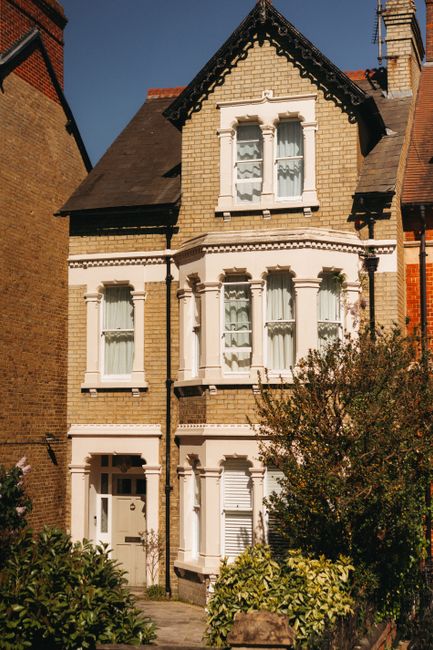
What to know about cleaning access in Victorian Fulham homes
Victorian homes in Fulham have a lot going for them: character, tall windows, decorative plasterwork, old timber floors, and those long, elegant layouts that make the rooms feel bigger than they often are. But if you are arranging a clean, the access can be the tricky bit. Narrow halls, steep stairs, split-level rooms, parking pressure, and awkward rear entrances can turn a simple booking into a bit of a puzzle.
That is why understanding what to know about cleaning access in Victorian Fulham homes matters before anyone arrives with vacuums, mop buckets, upholstery equipment, or ladder-safe window kit. The better the access plan, the smoother the visit, the less disruption to your day, and the more likely delicate features are treated properly. In practice, it saves time, avoids stress, and usually gives better results. Simple, really.
If you are weighing up services, planning a deep clean, or getting a property ready for guests, tenants, or contractors, this guide walks through the real-world details that matter most in older Fulham properties. It is practical, local, and written for the kind of house where the front door opens straight into history.
Expert summary: In Victorian Fulham homes, good cleaning is rarely just about the rooms themselves. It is about how cleaners get in, where they park, how they move equipment, and whether the layout allows safe, efficient work without damaging the house or slowing the job down.
Table of Contents
- Why cleaning access matters in Victorian Fulham homes
- How access planning works in practice
- Key benefits and practical advantages
- Who this is for and when it makes sense
- Step-by-step guidance for smoother access
- Expert tips for better results
- Common mistakes to avoid
- Tools, resources and recommendations
- Law, compliance, standards and best practice
- Options, methods and comparison table
- Case study or real-world example
- Practical checklist
- Conclusion
- Frequently asked questions
Why cleaning access matters in Victorian Fulham homes
Older homes tend to hide their challenges in plain sight. A Victorian terrace in Fulham may look straightforward from the street, but once you are inside, the realities show up fast: tight landings, long flights of stairs, split access between front and rear, and room sizes that are sometimes generous but not always easy to reach with equipment. Even the beautiful details can get in the way. Deep skirting boards, original banisters, sash windows, and old thresholds need care, not brute force.
Access matters because cleaning is physical work. Someone has to carry kit in and out, move between rooms without knocking into walls, and complete tasks without tripping over shoes, prams, rugs, or the family Labrador who thinks every job is supervised. If the route is cramped, the job slows down. If the route is unsafe, the risk goes up. And if the route is not planned at all, people end up improvising. That is where scratches, spills, delays, and grumpy conversations tend to begin.
In Fulham, there is also the local reality of parking and loading. Even when the inside is manageable, access outside can be awkward. A cleaner may need to know whether they can stop briefly, whether there is a permit arrangement, or whether they will need extra time to carry equipment from a distance. None of this is dramatic, but it does affect the day.
There is another angle too: older homes often contain materials and finishes that deserve a softer touch. Original wood floors, antique radiators, period tiles, and uneven surfaces all respond better when the team has enough space to work methodically. You want a clean house, not a hurried one.
How cleaning access works in practice
Access planning usually begins before the visit, ideally when you request the service or confirm a quote. A good cleaning company will want to know how the property is laid out, which entrances are usable, whether there are stairs, and whether any rooms are especially tight, cluttered, or fragile. That might sound obvious, but it saves a lot of back-and-forth later.
For a Victorian Fulham home, the conversation often covers a few core points:
- Which entrance should the team use: front door, side return, rear access, or a shared hallway.
- Whether there is space to park, unload, or carry equipment safely.
- If there are narrow stairs, steep steps, or low ceilings on upper floors.
- Whether any carpets, rugs, or furniture need to be moved before work begins.
- If there are pets, children, or vulnerable residents who need a quieter or more careful approach.
- Whether delicate items, fittings, or heritage features need special handling.
Once on site, access is typically managed in a practical order. The team confirms entry, checks the route, brings in the kit in a controlled way, and sets up in the most efficient space available. If the house is busy, it can help to clear a temporary path beforehand. Even something as small as moving coats, shoe racks, or a fold-up buggy out of the hallway can make a noticeable difference.
For more involved work, such as a full reset or a property that has not been cleaned properly for a while, access planning becomes even more important. If you are arranging deep cleaning or a broader house cleaning visit, the cleaner may need a little more time for moving around furniture and reaching awkward corners. In a Victorian house, corners are not just corners. They are often where dust hides for a small forever.
And yes, a little advance detail helps a lot. A five-minute conversation about the stairs may save half an hour on the day. Not glamorous, but effective.
Key benefits and practical advantages
Good access planning does more than make life easier for the cleaning team. It improves the whole experience for the homeowner too.
- Less disruption: If everyone knows where to enter, where to park, and which rooms are ready, the clean starts smoothly.
- Better protection for period features: Victorian homes can be beautiful but vulnerable. Controlled movement reduces the risk of bumps and scuffs.
- More efficient use of time: A cleaner spends less time navigating obstacles and more time actually cleaning.
- More accurate expectations: You know what can reasonably be completed within the booked slot.
- Safer working conditions: Fewer hazards in hallways and stairwells mean fewer incidents.
- Improved results: Access affects how well equipment reaches edges, corners, upholstery, floors, and windows.
There is also a subtle but important benefit: a property feels calmer when access is organised. Anyone who has tried to juggle a hand vac, a mop, and a kitchen chair while people keep squeezing past will know exactly what I mean. A tidy route tends to produce a tidy result. Funny how that works.
If you are booking other household services at the same time, it can help to think in terms of the whole building rather than a single room. For example, domestic cleaning may focus on regular upkeep, while one-off cleaning may require a more detailed access plan because more kit and more time are involved.
Who this is for and when it makes sense
This topic matters to more people than you might think. You do not need to own a grand townhouse or be managing a renovation for access to become a real concern.
It is especially relevant if you are:
- a homeowner in a Victorian terrace, semi-detached house, or converted flat;
- a landlord preparing a property for new occupants;
- a tenant hoping to leave the place in good order;
- a family with lots of furniture, prams, bikes, or stored items in the hallway;
- someone arranging a more intensive service after guests, building work, or a long period without proper cleaning;
- a resident who wants to avoid damage to original features or expensive finishes;
- an older homeowner or someone with mobility needs who benefits from a calmer, better-planned visit.
It also makes sense when the cleaning job includes specialist areas. Carpeted stairs, ornate rugs, large sofas, hard floors, and sash windows all raise access questions. If you are arranging carpet cleaning, sofa cleaning, or window cleaning, the cleaner may need to know how to reach the item, where to place hoses or extension leads, and whether any fragile furnishings should be moved in advance.
Truth be told, this is the sort of thing people only think about after they have nearly tripped over a hose in the hallway. Better to think about it earlier.
Step-by-step guidance for smoother access
If you want a clean visit to go well, start with the approach below. It keeps things simple and avoids the sort of muddle that makes everyone waste time.
- Walk the route yourself. Go from the front door to the rooms that need cleaning. Notice any narrow doors, low shelves, loose rugs, tight corners, or awkward turns.
- Identify the best entry point. The main door is not always the easiest door. Sometimes a rear access point or side entrance is better, even if it feels less obvious.
- Clear a temporary path. Move shoes, bags, toys, and anything fragile out of the way. A clear hallway is worth its weight in gold on a busy morning.
- Check parking or loading. If equipment needs to be carried from a distance, tell the cleaner in advance. That way they can allow time and plan the right kit.
- Flag delicate areas. Mention antique fittings, soft wood floors, sash cords, loose tiles, or any space that should be handled with extra care.
- Agree where items may be moved. It is better to say, "Please do not move the bookcase," than to discover it has been shifted by a well-meaning pair of hands.
- Prepare pets and family routines. Keep animals secure and let everyone know which rooms will be in use. The cleaner is there to work, not to play hide and seek with the cat.
- Confirm arrival details. If someone needs to buzz in, if the doorbell is unreliable, or if the flat is in a shared building, tell the team beforehand.
The best access plans are boring in the best possible way. No drama, no guesswork, no scrambling for keys while a vacuum waits in the hall.
Expert tips for better results
In practice, the difference between an okay clean and a really solid one often comes down to the small things. Here are the habits that tend to help most.
- Give measurements when needed. If there is a very narrow staircase or a compact landing, a cleaner may need to know whether larger equipment can be carried safely.
- Think vertically as well as horizontally. Victorian homes often have height, shelves, picture rails, and tall windows. Access is not just about floor space.
- Leave cupboards and drawers alone unless asked. Closed storage keeps the job focused and reduces the chance of confusion.
- Use honest photos if you are booking remotely. A few clear pictures of the hall, stairs, and problem areas can be far more useful than a long description.
- Match the service to the property. A weekly tidy, a spring clean, and an end-of-tenancy reset are not the same thing. Choose accordingly.
- Ask how delicate surfaces will be handled. This is especially useful for older floors and original woodwork.
- Build in a small buffer. Access in older homes can take longer than in modern flats. That is normal, not a problem.
One useful habit is to stand in the hallway and look at the house the way a cleaner would. What will they carry? Where will they turn? What could snag? It sounds a bit odd, maybe, but it works.
If the clean is part of a broader reset after decorating or repairs, you may also want to consider after builders cleaning. Access after works can be unpredictable, with dust, debris, and limited movement making planning even more important.
Common mistakes to avoid
A lot of access problems are preventable. The awkward bit is that they tend to look minor right up until the day of the clean.
- Assuming "the cleaner will manage". Of course professionals are adaptable, but they still need information.
- Forgetting about parking or loading. The inside may be lovely, but if the team has to lug kit half a street, timings change.
- Leaving clutter in the main route. Even a small pile of bags in a hall can slow everything down.
- Not mentioning stairs or split levels. A Victorian house can hide multiple changes in floor level.
- Ignoring fragile finishes. Old paint, original tiles, and period wood can be more sensitive than they look.
- Booking the wrong service type. A routine visit and a more detailed clean have very different access needs.
- Failing to share building rules. Communal entrances, key safes, and neighbour sensitivities all matter in practice.
There is a subtle mistake too: underestimating how much time access can take. People often budget the minutes for cleaning itself and forget the movement between tasks. In a tight Victorian layout, that movement is part of the job.
Tools, resources and recommendations
You do not need specialist kit to prepare a home well, but a few simple tools make access easier and safer. Nothing fancy. Just useful.
| Tool or item | Why it helps | Best use in a Victorian Fulham home |
|---|---|---|
| Door stops | Keep doors open safely while moving equipment | Narrow halls and awkward room entrances |
| Storage baskets or boxes | Quickly clear shoes, toys, and loose items | Busy hallways and landings |
| Furniture sliders | Make light rearranging easier and less risky | Rooms with heavy chairs, tables, or sofas |
| Microfibre cloths | Useful for quick dusting and touch-ups before a visit | Skirting boards, shelves, and window ledges |
| Good lighting | Helps people spot hazards and delicate details | Basement areas, loft stairs, and dim corridors |
| Clear labelling | Reduces confusion about what should and should not be moved | Stored items, fragile boxes, and equipment |
For households looking for broader support, services such as home cleaners, cleaners, or a trusted cleaning company can be helpful when you want a more structured approach to planning and execution. If the property has hard floors that need specific care, hard floor cleaning may be more appropriate than a general wipe-down.
For pricing questions, it is sensible to review pricing and quotes carefully. Access, property size, and the type of service can all influence the time needed. And if security or payment is on your mind, the pages on payment and security and insurance and safety are worth checking so you know what standards the company follows. It is the dull reading, sure, but useful dull reading.
Law, compliance, standards and best practice
For most homeowners, access planning is not about complicated legal theory. It is about common-sense safety and sensible working practice. Still, there are a few things worth keeping in mind.
First, anyone working in a home should take reasonable care to avoid causing damage or injury. That means clear walkways, secure equipment, and proper handling of ladders, cleaning products, and electrical items. In older homes, where stairs and flooring may be less forgiving, this becomes even more important.
Second, if a property is shared or divided into flats, building rules may affect how cleaners enter, where they park, and what they can leave in communal areas. Those rules vary, so it helps to share them early rather than after someone has been stood outside with a full kit and no clear instruction.
Third, good practice means honest communication. If there is a low ceiling in the loft room, a stiff sash window, or a staircase that twists more sharply than it first appears, say so. No one benefits from surprises in a Victorian house. Well, except maybe the dust, and it has had enough advantage already.
If you are dealing with more formal standards around business conduct, company policies can also be reassuring. For example, a provider's health and safety policy, terms and conditions, and privacy policy can help you understand how they handle work, communication, and personal information. If sustainability matters to you, recycling and sustainability may be relevant too, especially if a clean involves packaging, disposables, or waste sorting.
Options, methods and comparison table
Different cleaning jobs need different levels of access planning. A light domestic visit is one thing. A full reset after renovation is another entirely.
| Approach | Best for | Access needs | Typical challenge |
|---|---|---|---|
| Routine domestic clean | Regular upkeep, dusting, wiping, vacuuming | Moderate | Clutter and day-to-day household movement |
| Deep clean | More detailed work, neglected areas, seasonal reset | Higher | More time, more equipment, more room needed |
| One-off clean | Special occasions, catch-up work, move-in prep | High | Unfamiliar layout and heavier access demands |
| End-of-tenancy clean | Moving out or preparing a rental | High | Empty property, deadline pressure, multiple surfaces |
| After builders clean | Post-renovation dust and residue | Very high | Debris, restricted areas, fragile finishes |
In older Fulham homes, access concerns rise sharply as the job becomes more detailed. A routine visit can often work around everyday household life. A move-out clean or post-renovation clean usually cannot. That is why services like end of tenancy cleaning or one off cleaning often need more advance planning than a regular visit.
Case study or real-world example
Consider a typical Victorian terrace near the centre of Fulham. The owners are busy, the hallway is narrow, the staircase turns tightly at the first landing, and the kitchen opens into a rear room with limited space around the table. They want the house cleaned before relatives arrive for a weekend stay.
At first glance, it sounds easy enough. But the details matter. The owners clear coats, shoes, and a child's buggy from the hallway. They leave the front room open, but keep the study closed because of paperwork on the desk. They mention that the front steps are steep, so they want kit carried carefully. They also note a patch of original floorboard near the stairs that should not be dragged over with heavy equipment.
On the day, the cleaner can enter without delay, set down kit in the right room, and work through the house in a sensible order. Because access was planned, there is no backtracking. No one needs to shuffle around each other in a crowded hall. The result is not just a cleaner house, but a calmer arrival for the family.
That is the real lesson, really. Good access planning does not feel flashy while it is happening. It simply removes friction. And in a Victorian house, friction is usually the thing that causes the most fuss.
Practical checklist
Use this checklist before your cleaning appointment:
- Have I explained the main entrance and any alternative access points?
- Is there a clear route from the door to the rooms being cleaned?
- Have I mentioned stairs, split levels, or low ceilings?
- Do I need to reserve parking or allow extra unloading time?
- Have I moved shoes, toys, and fragile items out of the hallway?
- Did I flag any antique, painted, or delicate surfaces?
- Have I told the cleaner about pets, children, or occupancy restrictions?
- Do I know which rooms should stay untouched?
- Have I checked whether specialist services are needed for carpets, floors, sofas, or windows?
- Have I confirmed arrival instructions, keys, buzzers, or door codes where relevant?
If you can tick most of those off, you are in good shape. It does not need to be perfect. Just prepared. That is enough to make a big difference.
Get a free quote today and see how much you can save.
Conclusion
Cleaning access in Victorian Fulham homes is one of those topics that looks small until you live through it. Then it suddenly becomes obvious. The layout, the stairs, the parking, the delicate features, the clutter, the timing - all of it shapes how well a cleaning visit goes. When access is thought through properly, the whole experience feels lighter, faster, and less stressful.
If you remember one thing, let it be this: older homes reward preparation. A few clear details shared in advance can protect your property, help the team work efficiently, and give you a better finish without the drama. And in a house with a bit of history, that's worth doing properly.
Take your time, plan the route, and let the clean happen the easy way. That is usually the best way, to be fair.
Frequently Asked Questions
What is meant by cleaning access in a Victorian home?
It refers to how cleaners enter the property, move through the house, carry equipment, and reach the areas that need attention. In Victorian homes, access often includes narrow stairs, long hallways, and careful movement around original features.
Why is access more difficult in Victorian Fulham homes?
Many Victorian properties have tighter layouts, steep stairs, smaller entrances, and period details that need more care. Add parking pressure and busy streets, and access can become part of the job rather than a side issue.
Should I clear the hallway before a cleaner arrives?
Yes, whenever you can. A clear hallway makes entry safer and quicker, especially if the property has a narrow entrance or a turning staircase. Even moving shoes, bags, and coats can help a lot.
Do cleaners need to know about parking in advance?
They usually do. If parking is limited or unloading is awkward, it helps to mention that early so the cleaner can plan the visit properly and allow enough time.
What should I tell a cleaner about delicate features?
Mention anything you would not want bumped, dragged against, or sprayed heavily: original floorboards, antique fittings, ornate tiles, fragile paintwork, and similar features. Better to say too much than too little.
Can access affect the price of a clean?
It can, depending on the service and the amount of extra time or handling required. A difficult layout, very limited access, or specialist work may influence quotes. For clarity, review the provider's pricing information before booking.
What if my home has a very narrow staircase?
Tell the cleaner before the appointment. Narrow stairs may affect the type of equipment used, how items are moved, and how long the job takes. It is not unusual in Victorian homes, and it can usually be managed with the right planning.
Is access planning important for one-off or deep cleans?
Very much so. These jobs usually involve more equipment, more time, and more movement around the property. The better the access plan, the smoother the whole appointment tends to be.
What if I live in a converted Victorian flat?
Shared entrances, communal stairs, and building rules can all affect access. It helps to mention whether the flat is upstairs, whether there is a key safe, and whether any communal areas must be kept clear.
How do I prepare if I have pets or young children?
Keep pets secure and let the cleaner know where children's items are stored. A calm, uncluttered route is safer for everyone, and it also helps the work move more efficiently.
Do I need to move all furniture before the clean?
Not always. It depends on the service. For some jobs, light furniture may be shifted carefully, while heavy or fragile items are usually left in place unless agreed otherwise. Ask in advance if you are unsure.
Where can I check a company's safety and working standards?
Look for clear policy information on safety, insurance, terms, and privacy. Those pages usually tell you how the company works and what standards it follows before anyone steps through your front door.